Tatiana Andronova on HackerNoon: Reducing localization time with Figma Variables
Author
Tatiana Andronova
Tatiana Andronova on HackerNoon: Reducing localization time with Figma Variables
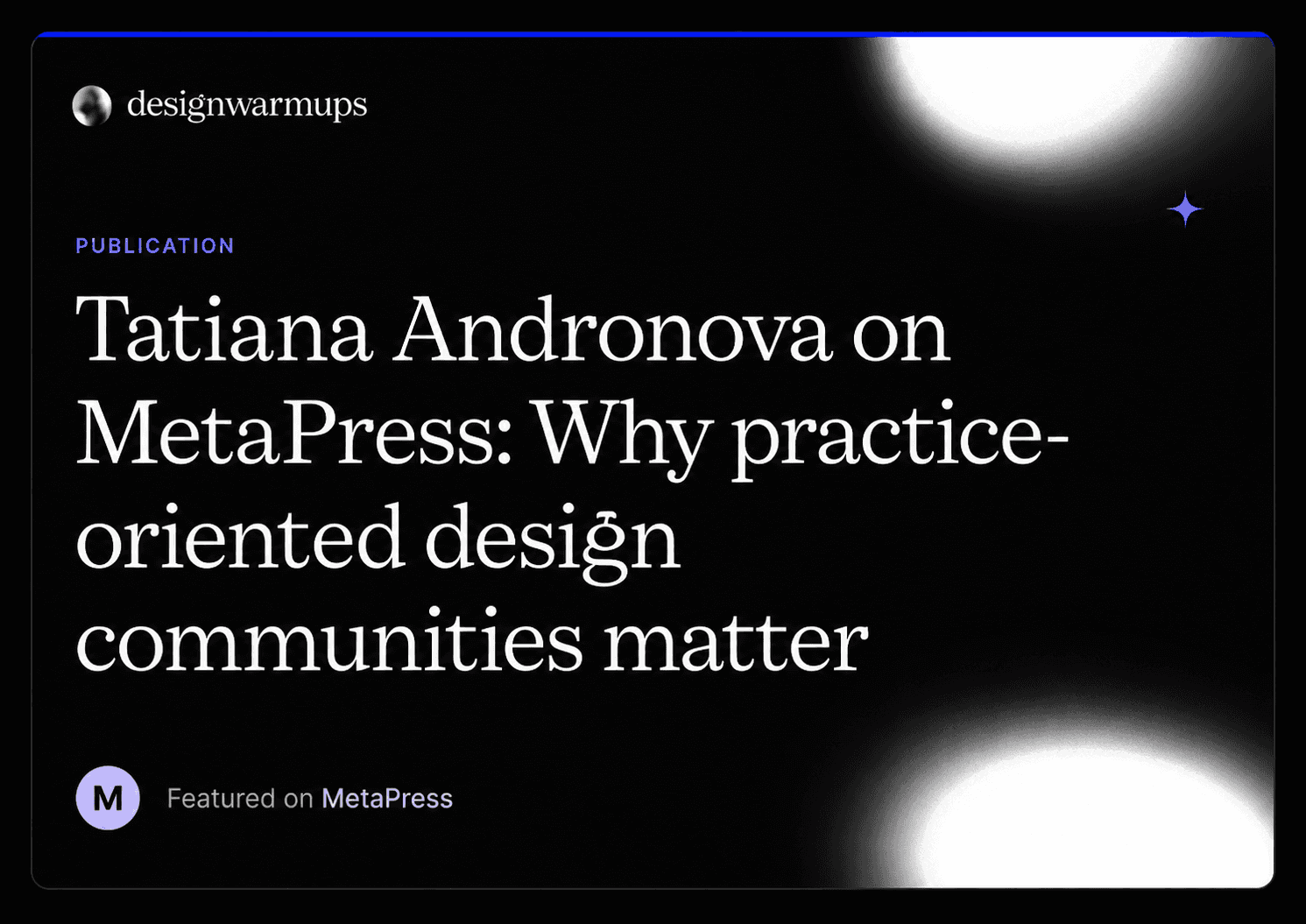
Tatiana Andronova published an article on HackerNoon about how Figma Variables can help product teams reduce the time spent on interface localization.
The article focuses on a common problem in product design: when teams work with several languages, even small interface updates can become slow and repetitive. Designers often need to duplicate screens, manually replace copy, check layouts for different text lengths, and keep multiple versions of the same flow up to date.
Tatiana shows how Figma Variables can make this process more structured. Instead of treating localization as a manual cleanup task at the end of the design process, teams can build language modes directly into their Figma files and switch between interface versions faster.
Why this matters
Localization is not only about translating text. It affects layout, spacing, components, content structure, and the way a product scales across markets.
For product teams, this means that a simple text change can quickly turn into a lot of manual work, especially when the interface exists in multiple languages. A more systematic setup in Figma helps reduce repeated work and makes multilingual design files easier to maintain.
What the article covers
The article explains how Figma Variables can be used to organize interface text, create language modes, and switch between localized versions inside the design file.
This approach can help teams:
— reduce manual copy replacement
— avoid duplicating the same screens for every language
— check how layouts behave with different text lengths
— keep multilingual flows more consistent
— make localization easier to support as the product grows
Why we’re sharing it
At Design Warm-ups, we often talk about practical design systems, scalable workflows, and real product constraints. Localization is one of those topics that looks small from the outside but can take a lot of time inside a real team.
Tatiana’s article is a useful example of how designers can use existing Figma features not just for visual polish, but for better process, faster iteration, and cleaner collaboration between design, product, and localization teams.